10 Cinematic Video Techniques That Make Automotive Content Go Viral
Master the art of automotive cinematography with these 10 proven techniques used by top creators to generate millions of views and drive sales.
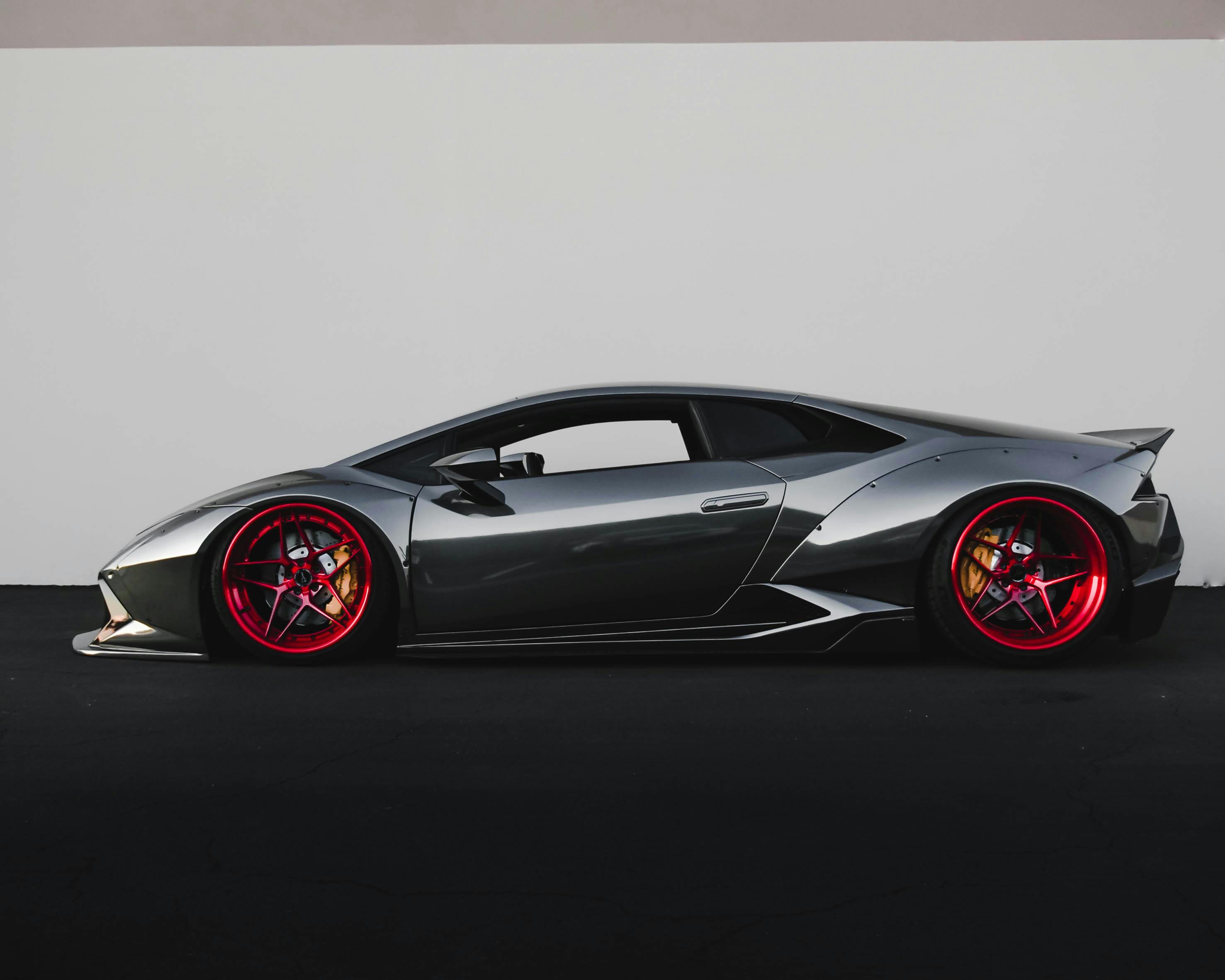
10 Cinematic Video Techniques That Make Automotive Content Go Viral
In the age of TikTok, Instagram Reels, and YouTube Shorts, automotive content has never been more powerful—or more competitive. The difference between a video that gets 500 views and one that gets 5 million often comes down to cinematic execution.
Why Cinematic Quality Matters for Automotive Brands
Consumers don't just buy cars—they buy emotions, status, and experiences. Cinematic video content:
Technique #1: The Hero Reveal
**What it is:** A dramatic unveiling of the vehicle using lighting, movement, and timing.
How to execute:
**Pro tip:** Add environmental effects like smoke, rain, or dust for extra drama.
**Results:** The hero reveal creates instant intrigue and stops the scroll.
Technique #2: Dynamic Low Angles
**What it is:** Shooting from ground level to emphasize power and presence.
How to execute:
**Pro tip:** Wet pavement creates beautiful reflections that double the visual impact.
**Results:** Makes vehicles look more powerful, aggressive, and desirable.
Technique #3: The 360 Orbit Shot
**What it is:** A smooth circular movement around the vehicle showcasing every angle.
How to execute:
**Pro tip:** Add subtle speed ramps (slow-mo to normal speed) for rhythm variation.
**Results:** Provides a comprehensive view while maintaining visual interest.
Technique #4: Detail Macro Shots
**What it is:** Extreme close-ups of design elements, badges, and features.
How to execute:
**Pro tip:** Shoot in 4K or higher to allow digital punch-ins in post.
**Results:** Communicates craftsmanship, luxury, and attention to detail.
Technique #5: Rolling Tracking Shots
**What it is:** Following the vehicle in motion from another moving vehicle.
How to execute:
**Pro tip:** Use ND filters to achieve motion blur in wheels while keeping the car sharp.
**Results:** Creates energy, excitement, and demonstrates real-world performance.
Technique #6: Interior Experience Shots
**What it is:** Showcasing the driver's perspective and interior luxury.
How to execute:
**Pro tip:** Shoot during twilight for gorgeous ambient light mixing with interior lighting.
**Results:** Helps viewers imagine themselves behind the wheel.
Technique #7: Slow-Motion Impact Moments
**What it is:** Capturing key moments in high frame rates for dramatic effect.
How to execute:
**Pro tip:** Slow-mo works best with dramatic action—not every shot needs it.
**Results:** Emphasizes power, precision, and craftsmanship.
Technique #8: Environmental Storytelling
**What it is:** Using location and environment to enhance the narrative.
How to execute:
**Pro tip:** Scout locations at different times to find the best light.
**Results:** Creates context, aspiration, and emotional resonance.
Technique #9: The Sound Design Layer
**What it is:** Combining exhaust notes, ambient sounds, and music perfectly.
How to execute:
**Pro tip:** The engine note is often more important than the music—don't bury it.
**Results:** Sound creates 50% of the emotional impact in video.
Technique #10: The Story Arc Structure
**What it is:** Building a narrative with beginning, middle, and end.
How to execute:
**Pro tip:** Keep it tight—ideal length is 30-60 seconds for social media.
**Results:** Stories are remembered, spec sheets are forgotten.
Putting It All Together: A Sample Shot List
For a 60-second automotive showcase:
1. Hero reveal (3-5 sec)
2. Detail macro shots (5 sec)
3. Low angle dynamic shot (3 sec)
4. 360 orbit (5-7 sec)
5. Rolling tracking shot (8-10 sec)
6. Interior experience (5 sec)
7. Slow-motion key moment (3-5 sec)
8. Environmental storytelling (10-12 sec)
9. More details and features (5-7 sec)
10. Final hero shot with CTA (5 sec)
The Technical Setup
Camera Gear:
Lighting:
Post-Production:
Platform-Specific Considerations
Instagram Reels/TikTok:
YouTube:
Brand Website:
Measuring Success
Track these metrics:
Common Mistakes to Avoid
1. **Over-editing:** Too many cuts and effects distract from the car
2. **Poor lighting:** Flat, unflattering light kills premium feel
3. **Shaky footage:** Invest in stabilization
4. **Ignoring sound:** Bad audio ruins good visuals
5. **Wrong aspect ratio:** Don't crop vertical content from horizontal
6. **No story:** Random beauty shots without narrative get boring
The ROI of Cinematic Content
High-quality automotive video content delivers:
Getting Started
You don't need a Hollywood budget:
Low Budget ($500-2000):
Mid Budget ($2000-10000):
High Budget ($10000+):
Or work with professionals who have the gear and expertise already.
Conclusion
Cinematic automotive content isn't just about pretty shots—it's about crafting emotion that drives business results. These 10 techniques, when executed properly, create the difference between content that gets scrolled past and content that stops, engages, and converts.
The automotive industry is more competitive than ever. Brands that invest in cinematic storytelling are winning attention, building desire, and closing sales.
**Ready to create automotive content that goes viral?** Start with these techniques, practice consistently, and never stop learning.